What Parents Should Know About Child Bicycle Accident Claims in Denver

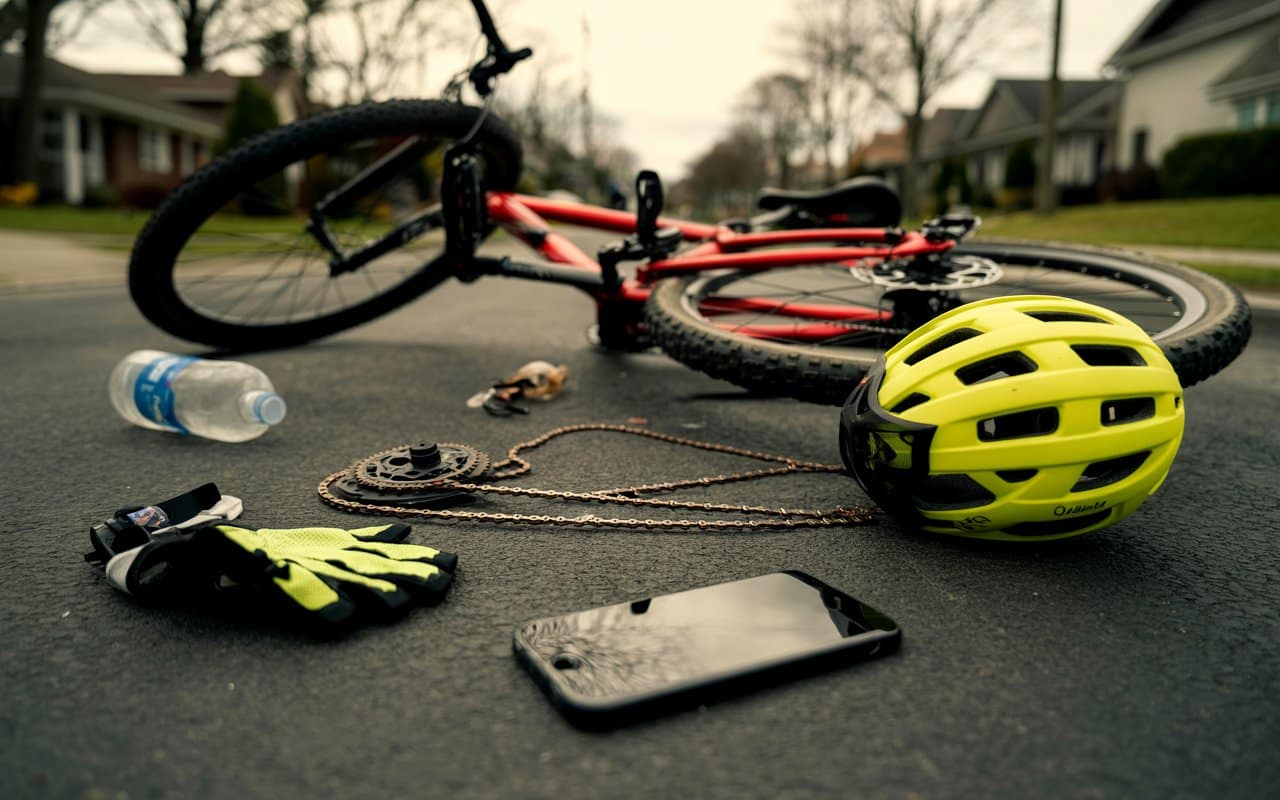

A child’s bicycle crash can turn an ordinary afternoon into a blur of sirens, scans, phone calls, and questions nobody was prepared to answer. Parents usually focus, rightly, on medical care first. Then the practical problems arrive. Who pays the emergency room bill? What if the driver says your child darted into the street? What happens when the injury looks minor at first but gets worse a week later?
In Denver, bicycle accident claims involving children carry a layer of complexity that surprises many families. Kids do not move through traffic the way adults do. They make quick decisions, misjudge speed, and often assume drivers see them when they do not. The law recognizes some of that reality, but insurance companies do not always handle these cases with much generosity. They look for ways to reduce value, question fault, and close the file before the full picture is clear.
Parents do not need to become legal experts overnight. They do, however, need a working understanding of how these claims usually unfold, where the common pressure points are, and when it makes sense to speak with a Bicycle Accident Lawyer Denver families trust for serious injury cases.
Why child bicycle cases are different from adult claims
A child injury claim is not simply an adult case with a smaller bike. The facts often look different from the start. Kids ride on neighborhood streets, near schools, in parks, on sidewalks, and across intersections where visibility changes quickly. A seven-year-old riding home from a friend’s house creates a very different liability analysis than a forty-year-old commuter clipped in at a downtown intersection.
The legal analysis changes too. Fault in a child case is often tied to age, judgment, and what behavior could reasonably be expected from a child in similar circumstances. A teenager may be judged more like an adult in some settings. A very young child usually is not. That distinction matters when the insurance carrier tries to argue that the child caused the collision by weaving, entering a crosswalk too quickly, or failing to stop.
There is also the issue of damages. Children often recover physically in ways that can make injuries look less serious on paper than they felt in real life. A broken wrist that heals in eight weeks might sound straightforward to an adjuster reading records. To a child who misses a baseball season, struggles at school because writing hurts, and becomes fearful of riding again, it is far from minor. Good claims work depends on showing the full impact, not just the diagnosis code.
The first 48 hours often shape the case
The most important legal work in many bicycle cases happens before anyone thinks of it as legal work. Evidence disappears fast. Skid marks fade. Street camera footage may be overwritten. Witnesses forget details or become harder to locate. A damaged bike gets repaired or thrown away. Parents are usually managing appointments, pain medication, and school absences, so these details can slip.
That does not mean families need to investigate like private detectives. It means a few practical steps can preserve the story while it is still fresh.
- Take clear photographs of the bike, helmet, clothing, injuries, vehicle damage, and the crash location from several angles.
- Write down what your child says happened in their own words, even if the story seems incomplete or emotional.
- Get the names and contact information of witnesses, including nearby residents or business employees who may have seen the crash or its immediate aftermath.
- Keep every medical paper, discharge instruction, bill, pharmacy receipt, and school note in one place.
- Avoid giving detailed recorded statements to the driver’s insurer before you understand the medical picture.
That last point matters more than many parents realize. Insurance adjusters often call quickly and sound helpful. Sometimes they genuinely are polite and professional. Even so, their job is to evaluate exposure for the company. A recorded statement given while your child is still shaken, while you do not yet know whether there was a concussion, or before you have seen the police report can create problems later.
What usually causes child bicycle collisions in Denver
Denver presents a mixed environment for young riders. Some neighborhoods have calmer residential streets and good trail access. Others have fast traffic, parked cars that block sightlines, and intersections that feel manageable to adults but are confusing to children. The pattern in many child bicycle claims is not one dramatic act of recklessness. It is a chain of everyday lapses.
Drivers turn right while watching for cars rather than bikes. They roll through stop signs in residential areas. They back out of driveways without checking sidewalks. They pass too closely, especially on narrower streets. Sometimes the hazard is not a motor vehicle at all. It may be a poorly maintained path, debris, a loose dog, or an abrupt sidewalk defect that sends a child into traffic.
Parents are often surprised to learn that liability can be spread across more than one party. A driver may be primarily responsible, but a property owner, a rideshare operator, a delivery company, or a public entity may also enter the picture depending on where and how the crash happened. Claims involving public roads, school zones, or government-controlled property can come with special notice rules and shorter deadlines. Those technical requirements are easy to miss if a family assumes all personal injury claims work the same way.
The fault question is rarely as simple as it first appears
A common source of stress is hearing some version of this argument: your child came out too fast, your child was not where they were supposed to be, your child was not wearing bright enough clothing, your child should have stopped. Families sometimes hear those claims from the driver, the insurer, or even from bystanders at the scene.
Fault in bicycle cases is often contested because the physical evidence can support more than one story unless someone gathers and organizes it well. A driver may say the child suddenly entered the roadway. A witness may remember the driver looking down moments before impact. A doorbell camera may show the child slowing before the crossing. The bike damage may suggest a side impact rather than a head-on collision. Each piece matters.
Colorado follows comparative negligence principles, which means fault can be divided. In plain terms, the amount a claimant can recover may be reduced by their share of responsibility, and at a certain point fault can bar recovery. But with child claimants, age and developmental judgment matter. A five-year-old and a fifteen-year-old are not evaluated the same way. That is one reason parents should be cautious about assuming the insurer’s early fault assessment is final or fair.
I have seen cases where a family initially believed they had no claim because their child crossed mid-block or rode from a sidewalk into an intersection. Later, witness statements and scene evidence showed the driver was speeding through a residential area and had enough time to stop. The early narrative favored the driver simply because the child could not explain the event clearly right away.
Injuries that deserve closer attention than they get
Parents tend to act fast when there is obvious trauma, such as a fracture, facial injury, or significant road rash. The harder cases are the ones that look mild during the first day or two. Children are resilient, but they are also inconsistent reporters of symptoms. They may say they are fine because they want to go home, avoid a hospital, or get back to school and sports.
Concussions are a frequent example. A child does not need to lose consciousness to have a brain injury. Headache, irritability, sleep changes, trouble focusing, light sensitivity, or sudden mood shifts can appear later. The same is true for neck and back injuries. Soft tissue damage may seem minor at the scene, then become much more painful after the adrenaline wears off.
Psychological effects also matter. Children can become anxious around traffic, resist riding again, or develop sleep problems after a frightening crash. Older kids may hide that fear because they do not want to appear weak. Younger children may show it through behavior changes instead. Those effects are real damages, even if they do not appear on the first emergency room chart.
What compensation may be available
Parents usually think first about medical bills, but a child bicycle accident claim often includes more than reimbursement for treatment already received. The exact categories depend on the facts, the severity of injury, and who has legal standing to recover particular losses.
A claim may involve current medical expenses, future treatment, therapy, follow-up imaging, and specialist visits. It may also include pain and suffering, emotional distress, scarring, impairment, and loss of enjoyment of normal childhood activities. If a parent missed work to care for the child, that economic impact may also matter. In more serious cases, future educational or developmental support can become part of the analysis.
The challenge is that insurers often want to value the case before those consequences are fully visible. They prefer a short timeline, a neat diagnosis, and a quick settlement. Childhood injuries do not always cooperate with that timeline. A fracture may heal, but a growth plate injury can require monitoring. A facial scar may change as the child grows. A concussion may affect school performance in subtle ways that only become obvious over time.
That is why parents should be skeptical of early offers that arrive before treatment has stabilized. Fast money can feel tempting when bills are stacking up, but once a claim is settled, it is generally over. If new complications appear later, reopening the case is rarely an option.
When the insurance company seems friendly but moves too fast
Many adjusters are courteous. Some are genuinely sympathetic. Neither of those things tells you whether the claim is being valued properly.
A familiar pattern goes like this. The insurer calls within days, asks how your child is doing, requests a recorded statement, and suggests the injuries sound minor. Then comes a settlement offer framed as a way to help with bills immediately. The number may seem reasonable if all you know at that moment is that there was an urgent care visit and a few scrapes.
A few weeks later, the child still has headaches, an orthopedic follow-up reveals a more complicated fracture, or counseling becomes necessary because the child is afraid to ride near traffic. By then the family may realize the first offer was built on an incomplete medical picture.
This is one of the clearest moments when speaking with a Bicycle Accident Lawyer Denver parents can rely on makes sense. A good lawyer will not simply ask whether the driver was insured. They will ask where the crash happened, whether there were cameras nearby, how old the child is, whether school records reflect new limitations, and whether there could be other insurance coverage in play. Sometimes the difference in case value comes less from aggressive argument and more from patient documentation.
Parents should understand the paperwork around a minor’s claim
Settling an injury claim for a child is often not as simple as endorsing a check. Because the injured person is a minor, additional procedures may apply. Depending on the size of the settlement and the circumstances, court approval may be required, or funds may need to be handled in a protected way for the child’s benefit.
This surprises families, but it exists for a sound reason. The law tries to ensure that money meant to compensate an https://titusrxxv004.fotosdefrases.com/what-cyclists-should-know-about-fault-in-denver-bike-accident-cases injured child is actually preserved for that child. In smaller cases, the process may be fairly straightforward. In larger cases, especially where long-term effects are involved, it can become more formal.
Medical liens or reimbursement claims can also complicate the final amount a family receives. Health insurers, Medicaid, or other payors may seek repayment from the settlement depending on the circumstances. Those issues need to be addressed carefully. A settlement figure is only part of the story. The net result matters just as much.
Deadlines can be tricky, and parents should not guess
One of the most dangerous assumptions in child injury cases is that there is always plenty of time because the injured person is a minor. That is not a safe assumption. Deadlines vary based on the type of claim, the parties involved, and whether a motor vehicle played a role. Claims against public entities can have very short notice requirements. Evidence issues move even faster than legal deadlines.
The practical rule is simple: do not wait because you think the child’s age automatically protects the claim. It may affect certain timing rules, but it does not preserve video footage, witness memories, or physical evidence. It also does not stop insurers from building a defense while the family is focused elsewhere.
A prompt consultation does not force anyone into a lawsuit. More often, it helps parents understand the timeline, preserve options, and avoid preventable mistakes.
Cases involving schools, buses, or city property need extra care
Denver parents sometimes assume a bicycle crash near a school, bus stop, park path, or city intersection is just another traffic claim. It may be, but these cases can raise additional questions. Was there a crossing guard? Was visibility obstructed by construction? Did a city-maintained path have a defect that had been reported before? Was a school pickup pattern creating a known hazard?
The answer may affect not only liability but also procedure. Public entity claims often operate under rules that are less forgiving than ordinary private insurance claims. Even determining who controlled the area can take some digging. A sidewalk, a trail connector, a school access road, and a private parking lot can look similar to a parent standing at the scene, yet lead to very different legal analyses.
These are also the cases where photographs and prompt site inspections matter most. Temporary signage changes. Construction cones move. Seasonal vegetation grows and blocks sightlines that were clear in winter. If the dangerous condition is part of the claim, timing matters.
How to tell when a case needs legal help
Not every scraped knee after a bike fall calls for an attorney. But many parents wait too long in cases that plainly do.
Consider getting legal guidance if there is a driver involved, if the child suffered a head injury or fracture, if fault is disputed, if the insurer asks for a recorded statement, if the crash happened on or near public property, or if there is any sign the effects may last longer than a few weeks. The same is true if the child has visible scarring, persistent fear, school difficulties, or follow-up treatment with specialists.
The goal is not to turn every injury into a lawsuit. The goal is to understand the value of the claim before decisions become irreversible. Sometimes a short consultation gives a family enough direction to handle matters confidently. Sometimes it reveals issues they had no reason to spot on their own.
What parents can do while the claim is pending
The strongest child injury claims are often built quietly, through consistency rather than drama. Keep a simple record of appointments, symptoms, missed school days, sports or activities the child cannot do, and changes in mood or sleep. Ask teachers or counselors to note any concentration issues if a concussion is suspected. Save photographs as bruising, swelling, or abrasions evolve. Keep the damaged helmet and bicycle if possible.
This kind of documentation fills the gap between medical records and daily life. Hospital notes often capture the diagnosis, but they do not always show that your child could not carry a backpack, stopped sleeping alone, or cried every time a car passed too close. Those details matter because they describe the lived impact of the injury.
Parents should also resist the urge to minimize symptoms in front of insurers for the sake of appearing reasonable. Accuracy is better than toughness. Children often recover well, and saying so is fine when it is true. But it is equally important to be specific about what has not returned to normal.
The hardest part is often invisible
The legal side of a child bicycle accident claim is really about one question: how do you translate a child’s disrupted life into a form an insurer or court will take seriously? Bills are easy to count. Fear is not. A cast has an end date. Loss of confidence can linger much longer.
That is why these cases deserve patience. Parents often feel pressure to resolve everything and move on. Yet the most responsible choice is usually to slow down just enough to understand the full picture. If the child recovers quickly and completely, that becomes clear with time. If the injury leaves a longer shadow, the claim should reflect that reality.
Denver has many families who bike for school, fun, and daily transportation. That is a good thing. It also means child bicycle crashes will keep happening, often in circumstances where fault and harm are not obvious on day one. When a child is hurt, careful documentation, prompt medical follow-up, and early legal clarity can make a significant difference, both in the strength of the claim and in a family’s peace of mind.
For parents facing that situation now, the key is not to panic and not to guess. Get the medical care right. Preserve the evidence. Be cautious with insurers. And if the facts suggest more than a truly minor incident, speak with a Bicycle Accident Lawyer Denver families can trust to evaluate the claim with the seriousness it deserves.
Corrections
Spot something wrong? Send it to the desk and it gets fixed in the open.