What Happens When a Bicycle Accident Claim in Denver Is Denied?

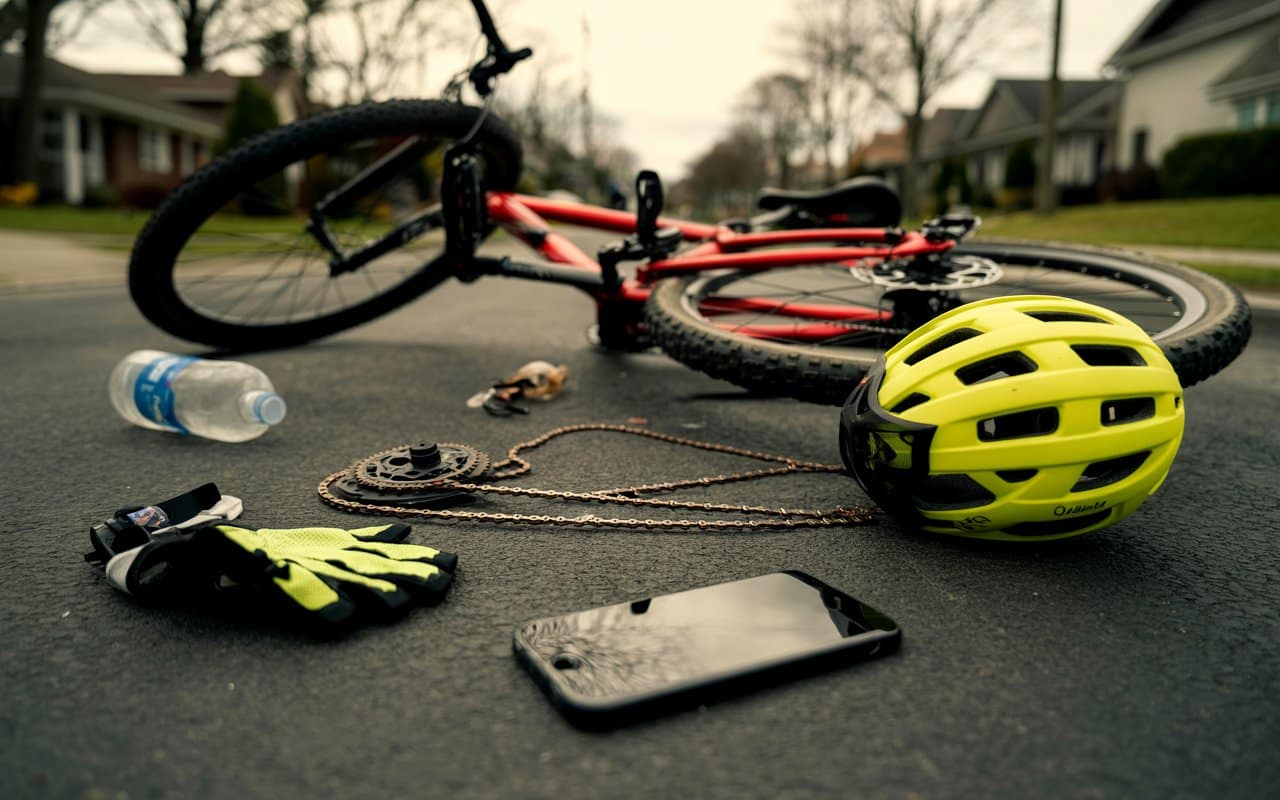

A denied bicycle accident claim can feel like a second collision. The first impact happens on the street. The second arrives weeks later in a letter, an email, or a terse phone call from an insurance adjuster saying the carrier will not pay, or will pay far less than the claim is worth. For injured cyclists in Denver, that moment carries real pressure. Medical bills keep arriving. Time away from work starts to cut into savings. A damaged bike that may have cost several thousand dollars sits unridden. Pain lingers longer than expected. Meanwhile, the insurer acts as if the matter is closed.
It usually is not closed.
A denial does not automatically mean the claim lacks merit. It often means the insurance company sees an opening, whether factual, procedural, or strategic. Sometimes the carrier believes liability is unclear. Sometimes it argues the rider caused the crash. Sometimes it accepts that a collision occurred but disputes the seriousness of the injuries. In other cases, the denial is tied to paperwork, policy terms, deadlines, or missing medical support. The reason matters because the next move depends on it.
In Denver, bicycle accident claims can become especially complicated because city riding creates a mix of hazards that do not fit neatly into standard insurance assumptions. A driver turns across a bike lane. A parked car door swings open on a busy corridor. A rideshare vehicle stops abruptly near downtown traffic. A cyclist is hit in an intersection where road markings are faded or construction altered the normal path. The facts may sound straightforward to the person who lived them, but insurance carriers rarely treat them that way without pressure and documentation.
What a denial really means
People hear the word “denied” and assume the insurance company made a final legal determination. Usually, it has not. In most cases, a denial is the insurer’s position based on the information it has, or claims to have, at that moment. That position can change.
An insurance carrier may issue a full denial, meaning it rejects liability entirely. It may also issue what is effectively a partial denial, where it accepts some responsibility but refuses to cover certain damages, certain treatment, or the full claimed amount. Both scenarios create the same practical problem: the injured cyclist is left undercompensated.
The first thing to understand is that an insurance adjuster’s decision is not the same as a judge’s ruling. Adjusters work for insurers. Their job includes limiting what the company pays. Some do that fairly. Some press every advantage available. When liability is disputed, or when injuries are not obvious on imaging, denials become more common.
I have seen denials follow crashes where the cyclist was plainly vulnerable and still got blamed. One recurring example is the right hook collision, where a driver passes a cyclist and then turns right across the bike’s path. Drivers often insist the rider “came out of nowhere,” even when the cyclist was visible and traveling lawfully. Another is the dooring case, where the driver or passenger opens a car door into the cyclist’s lane. The insurer may argue the rider was too close to parked vehicles, even on streets where avoiding the door zone entirely is not realistic because of traffic or lane width. These are not rare edge cases. They are the sort of fact patterns that produce denials when the insurer thinks the cyclist lacks leverage.
Why bicycle accident claims get denied
The reason in the denial letter is not always the whole reason. Insurers often state broad grounds, then narrow or shift their rationale later. Still, certain patterns come up again and again.
- The insurer disputes fault and says its driver did not cause the crash.
- The insurer argues the cyclist was partly or mostly responsible.
- The carrier claims the medical treatment was excessive, unrelated, or delayed.
- The claim lacks enough evidence, such as witness statements, photos, or complete records.
- Policy defenses apply, including coverage exclusions, lapse issues, or notice problems.
Each of those categories can branch into smaller disputes. Fault arguments are especially common in Denver because many bicycle collisions happen at intersections, lane merges, or parking edges where visibility, speed, signaling, and road positioning all become contested. If the police report is incomplete or mildly unfavorable, the insurer may lean heavily on it, even when the report reflects only an officer’s quick roadside impression.
Comparative fault is another major issue. Colorado follows a modified comparative negligence system. In practical terms, that means an injured person can still recover damages if they were partly at fault, so long as they were not as much at fault as the other side. Their recovery is reduced by their share of responsibility. Insurance companies know this, and they use it. They may not need to prove the cyclist caused the entire crash. They just need enough ambiguity to push down value or justify resistance.
Medical disputes can be even more frustrating because they often hit riders after the initial shock wears off. A cyclist may refuse an ambulance at the scene, then wake up the next day with neck pain, wrist pain, or concussion symptoms. The insurer later points to the delay and says the injuries must not be serious. That argument sounds plausible on paper and falls apart in real life. Plenty of injured people do not appreciate the full extent of harm until adrenaline fades. Soft tissue injuries, traumatic brain injuries, shoulder tears, and overuse-compensation injuries can unfold over days or weeks.
The denial letter deserves a close read
The denial letter is not just bad news. It is also a roadmap.
Some letters are specific. They identify the policy, summarize the carrier’s view of the facts, and explain the reason for denial in a few pointed paragraphs. Others are vague by design. They say the investigation did not support liability, or that the treatment was not related, without tying those statements to concrete evidence. Either way, the exact language matters. Small phrases can reveal whether the insurer thinks it has a strong factual defense or is simply staking out an early negotiating position.
A denial based on liability calls for one kind of response. A denial based on causation, meaning whether the crash caused the injuries, calls for another. A denial based on policy language may require a coverage analysis that is very different from proving how the collision happened.
This is one reason many injured cyclists benefit from speaking with a Bicycle Accident Lawyer Denver residents trust for injury litigation. Not because every denied claim must become a lawsuit, but because denials often raise issues that are easy to underestimate. A lawyer can spot whether the carrier is testing the claimant’s persistence, relying on weak evidence, or raising a defense that will matter later if the case goes to court.
What should happen right after the denial
The period right after a denial matters more than many people realize. Frustration can lead to mistakes. Some riders stop treatment out of discouragement. Some call the adjuster and argue off the cuff. Some accept a small payment in a related coverage claim without understanding what rights they are giving up. A calmer, documented response usually works better.
Here are the most useful first steps:
- Get the denial in writing if you only received it verbally.
- Request the insurer’s complete basis for denial, including the documents it relied on.
- Preserve everything, including photos, repair estimates, medical records, receipts, and communications.
- Keep following medical advice so your condition is documented consistently.
- Speak with an attorney before giving a recorded statement or signing anything new.
That list is simple, but each step carries weight. Written denials pin the insurer to a position. Requests for supporting documents sometimes expose how thin the investigation really was. Continued treatment builds a record that can counter the claim that injuries were minor or unrelated. Legal advice helps avoid preventable damage, especially where there may be underinsured motorist coverage, health insurance liens, or future wage-loss claims.
Evidence often decides whether a denial sticks
When bicycle injury claims are denied, people often assume the issue is legal complexity. More often, the case turns on proof. Insurance companies value what they can document, challenge, and present to a jury if needed. A cyclist’s memory matters, but standing alone it is rarely enough.
In Denver cases, useful evidence may include intersection camera footage, nearby business surveillance, helmet cam video, GPS ride data, bike computer speed records, 911 calls, black-box vehicle data in serious crashes, bike damage patterns, and witness interviews done while memories are still fresh. Medical records also matter, but not just the billing statements. The clinical notes can make a major difference. If those notes connect symptoms to the crash, track progress, and explain functional limitations, they strengthen causation. If they are sparse or inconsistent, the insurer will exploit that.
Bicycle damage deserves more attention than it usually gets. A bent fork, cracked frame, shattered wheel, or scraped pedal can support the mechanics of the impact. In one type of disputed crash, the driver claims there was only a slight brush or no contact at all. The bike can contradict that story. It can also help accident reconstruction experts estimate angle, speed, and point of impact.
Then there is the human side of damages, which insurers often flatten into sterile summaries. A strong claim does not stop at saying the rider had a shoulder injury. It explains what changed: difficulty commuting by bike, inability to lift a child, trouble sleeping on one side, fear returning to traffic, missed races, canceled trips, or reduced stamina during a physical job. Those details are not decoration. They are often the difference between a claim that sounds abstract and one that reflects an actual loss.
If the insurer blames the cyclist
Cyclists in Denver know how quickly blame can shift onto them. A driver says the rider was moving too fast. An adjuster asks whether the cyclist wore bright enough clothing. Someone raises the helmet issue, even when the helmet has nothing to do with causing the collision. These defenses are common because they resonate with common assumptions about bicycling, even when the law and facts say otherwise.
The legal question is not whether the cyclist was perfect. It is whether the driver was negligent, and if the cyclist also made mistakes, how much those mistakes truly contributed. That analysis should stay tied to facts. Was the cyclist in a marked lane? Did the driver fail to yield while turning? Was the cyclist visible long enough for a reasonably attentive driver to react? Did the street design force riders into mixed traffic? Was there construction, debris, or a parked vehicle narrowing the available space?
Even where the cyclist bears some fault, the claim may still have substantial value. A denial letter that says the rider was responsible is often just the opening bid in a comparative fault dispute. It is not unusual for insurers to start by assigning the cyclist most or all of the blame, then move once confronted with witness testimony, better photos, or a more careful reconstruction.
When the problem is underinsurance, not just denial
Some denied claims are less about fault than about money. The driver may carry very low policy limits, or no insurance at all. In those situations, a liability claim against the driver’s insurer may stall or produce too little to cover the losses. That does not always mean the cyclist is out of options.
An injured rider may have access to uninsured or underinsured motorist coverage through an auto policy in the household, even if the rider was not driving. Coverage questions here can be technical, and the answer depends on policy language, household status, and other facts. Health insurance may cover treatment, though that opens the door to reimbursement claims later if there is a recovery. MedPay, https://edwinujxv157.cavandoragh.org/what-parents-should-know-about-child-bicycle-accident-claims-in-denver if available under an auto policy, may also help with immediate medical expenses regardless of fault.
These cases frustrate people because the denial feels personal when it is really structural. The harm may be severe, liability may be clear, and yet the available coverage is limited. That is another point where early legal analysis matters. The goal shifts from simply proving fault to identifying every viable source of recovery.
Appeals, negotiations, and lawsuits
A denied bicycle accident claim does not move in a straight line after that point. Some cases are revived through a detailed rebuttal package sent to the insurer. That package may include a factual narrative, witness statements, photographs, medical records, opinions from treating providers, proof of lost income, and a direct response to each stated reason for denial. If the insurer denied too early, a better-developed submission can change the outcome.
Other cases require filing suit. Litigation does not guarantee a win, and it takes time, but it changes the dynamic. Once a lawsuit starts, the insurer and defense counsel have to answer formal discovery, produce materials, and defend their version of events under stricter rules. Witnesses can be deposed. Experts can be retained. A jury becomes a real possibility rather than a distant threat. That alone can alter settlement posture.
The trade-off is obvious. Litigation costs more, lasts longer, and places demands on the injured person’s time and patience. There are also strategic decisions to make about timing. Filing too soon, before treatment stabilizes, can leave the damages picture incomplete. Waiting too long can create statute-of-limitations problems or make evidence harder to obtain. Good judgment matters here. There is no universally right speed.
How pain and delayed symptoms complicate denied claims
One of the hardest parts of a denied bicycle case is proving injuries that do not announce themselves dramatically at the scene. A broken bone is visible. A concussion with cognitive fatigue, a labral tear in the shoulder, chronic neck pain, or nerve irritation in the hand can be much harder to explain, especially if the rider tried to tough it out.
Cyclists are often active, independent people. They tend to minimize symptoms early. They finish the ride home. They go to work the next day. They postpone treatment because they assume soreness will pass. Insurance companies turn those very human reactions into arguments against the claim.
That is why consistency matters so much. The records should show when symptoms started, how they progressed, what daily activities they affected, and what providers observed. Gaps in care are not fatal, but they should be explainable. Maybe the rider could not get a specialist appointment for three weeks. Maybe physical therapy was delayed by work travel or cost concerns. Maybe symptoms temporarily improved, then flared again. Real cases rarely unfold in a neat line, and honest context can matter more than forced perfection.
The role of local conditions in Denver bicycle cases
Denver is a city where cycling is both ordinary transportation and serious recreation. That creates a wide range of crash settings, from downtown commuter corridors to neighborhood streets to roads leading toward foothill rides. Local context matters because road design, traffic behavior, weather, and visibility conditions shape both fault and credibility.
A winter crash may involve snowpack narrowing the usable lane. A spring crash may involve gravel left near the curb after storms. Summer construction can alter bike-lane continuity with little warning. Around stadium traffic, event congestion changes driver behavior. In some areas, parked vehicles and delivery activity create repeated dooring risks. These are not excuses for negligent driving, but they are facts that help explain why a cyclist was positioned where they were and why a collision happened the way it did.
A lawyer who regularly handles these cases will usually understand that context better than a remote adjuster reading a file. That local familiarity can influence how evidence is gathered and framed. A Bicycle Accident Lawyer Denver claimants consult should be thinking not only about the legal theory, but about the actual street, the traffic pattern, and what a local jury would recognize as plausible.
What compensation may still be available after a denial
A denial does not erase damages. If the claim is revived through negotiation or litigation, the rider may still pursue compensation for medical bills, future treatment, lost income, reduced earning capacity, bicycle repair or replacement, and pain and suffering. In serious cases, the claim may also include permanent impairment, future procedures, psychological distress, and loss of enjoyment of activities that were central to the rider’s life.
The value of those damages depends on proof, severity, and credibility. It also depends on how the injuries fit the person’s actual routine. A wrist injury means one thing for an office worker and another for a mechanic, nurse, chef, or musician. A concussion means one thing for a casual rider and another for someone whose work depends on concentration under pressure. Good claim presentation does not exaggerate. It gets specific.
That specificity matters even more after a denial because the insurer has already taken an adversarial position. Once it says no, it tends to justify that decision by minimizing the rider’s losses. Reversing that momentum requires substance.
The bigger mistake is doing nothing
The most damaging response to a denied bicycle accident claim is often silence. People get busy healing, assume the insurer must be right, or feel too drained to fight. Months pass. Evidence gets harder to collect. Witnesses move on. Surveillance footage disappears. Treatment records become harder to tie cleanly to the crash. Deadlines approach quietly.
A denial is serious, but it is not self-executing truth. It is a challenge to the value and legitimacy of the claim. Sometimes that challenge exposes a weak case. Often it exposes an insurer testing whether the injured cyclist has the records, persistence, and legal support to push back effectively.
For Denver riders, especially those dealing with meaningful injuries, disputed liability, or long recoveries, early advice can change the arc of the case. Not every denial becomes a lawsuit. Not every case requires aggressive litigation. But every denial deserves a careful, informed response grounded in facts, medical support, and a realistic view of what the claim is worth.
Corrections
Spot something wrong? Send it to the desk and it gets fixed in the open.